From Stage Fright to Stage Time: What Ties van de Ven Taught Us About Speaking at Heapcon
Heapcon 2025 once again brought together a wide range of voices, ideas, and experiences from across the tech community. As we’re preparing for Heapcon 2026, we thought it would be good to look back at some interesting talks we had last year. One of the things we care about most is creating space for as many relevant topics as possible, from deeply technical sessions to conversations about growth and community.
That is exactly why Ties van de Ven’s Hitchhiker’s Guide to Conference Speaking stood out. It focused on helping more people feel ready to share what they know. In many ways, it captured a big part of what Heapcon is about – learning, connecting, and giving new voices a place on stage.
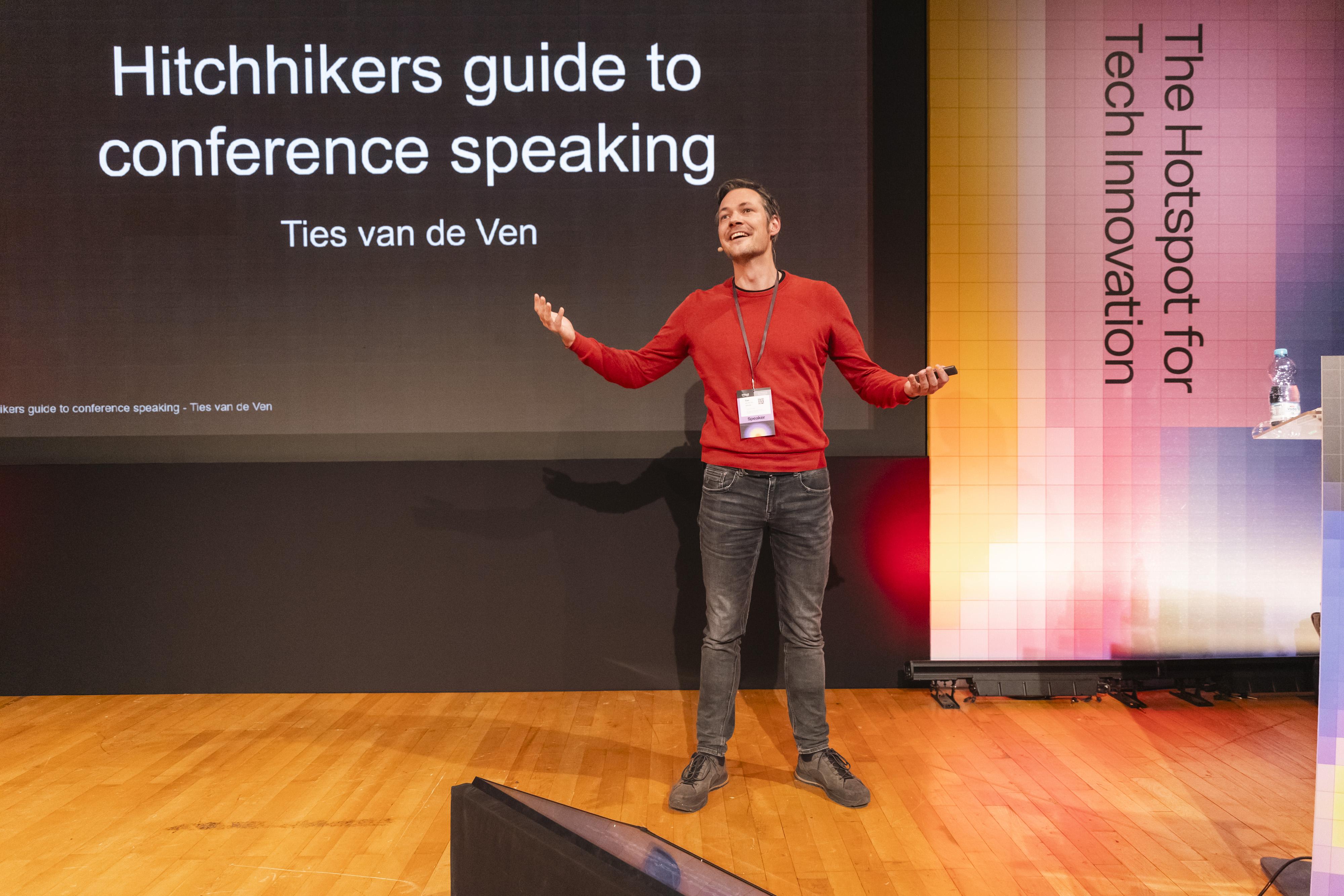
Conference Speaking Is Not About Being Fearless
Ties is a good example of how a “non-tech” topic can be interesting in a tech conference like ours. Ties is a software engineer with a passion for concepts, software engineering fundamentals, and helping others. And one of the strongest ideas in Ties’s talk is that nervousness is not a sign that you should not speak. It’s just one part of the entire process.
He describes public speaking as something outside most people’s comfort zone at first, but also something that becomes more natural the more often you do it. That shift, from dread to familiarity, is what makes speaking feel achievable rather than intimidating. That is an important message for anyone who has considered submitting a talk and immediately talked themselves out of it. You don’t need to start being confident, you just do it.
Public Speaking Usually Starts Where Comfort Ends
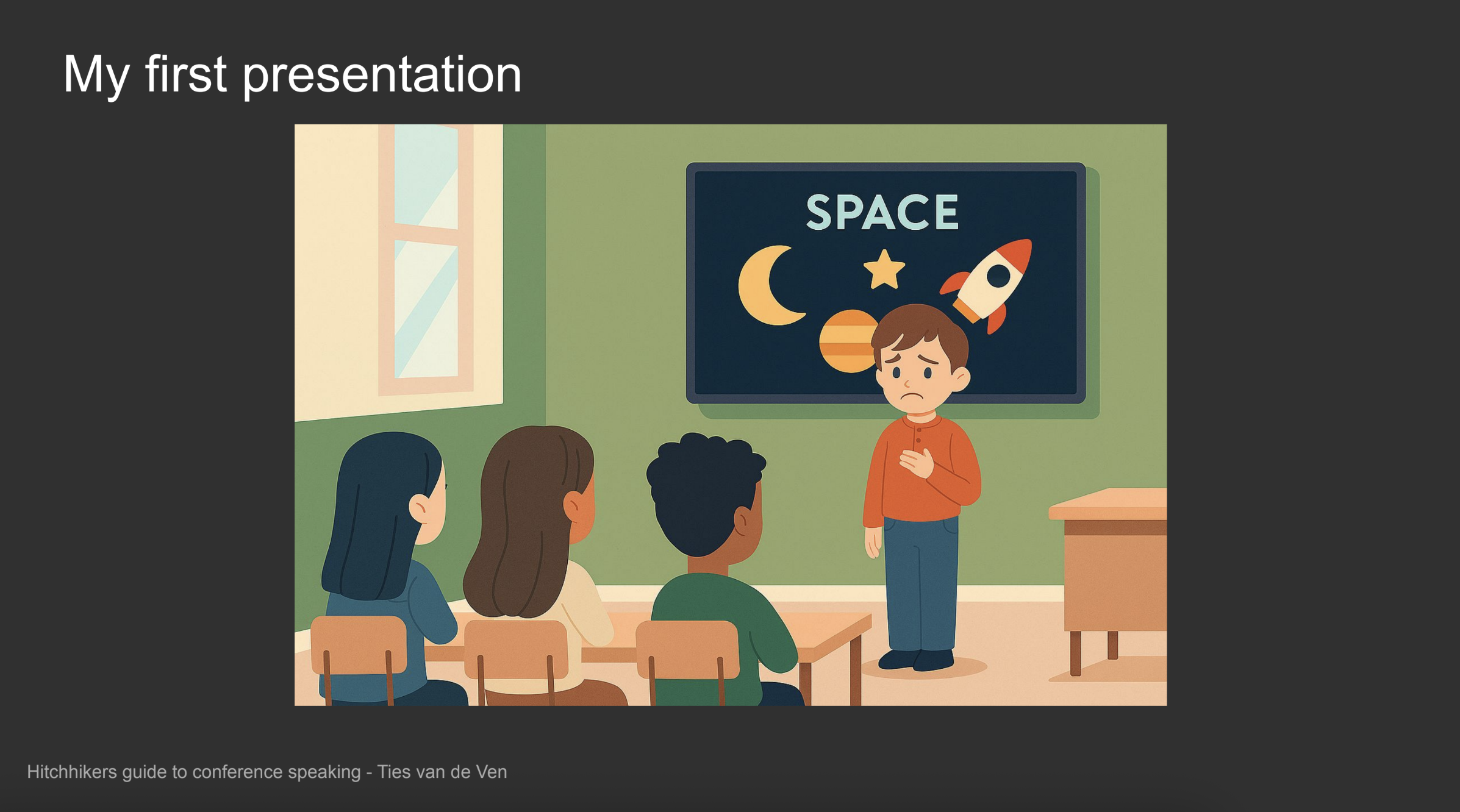
One of the most relatable parts of Ties’s talk is how honestly he speaks about fear. He doesn’t pretend nerves disappear once you have enough experience. What he does say is that public speaking gets easier with repetition. The discomfort is real, but it’s not permanent. Like any skill that feels intimidating at first, it becomes more natural once you spend enough time practicing it.
That is an important reminder because fear is often the first thing that stops people from submitting a talk, and not lack of knowledge or ideas. Just the feeling that standing on stage seems too far outside their comfort zone. From Ties’s point of view, all this is completely normal. Almost everyone starts there. Confident speakers weren’t somehow born ready, they simply kept going long enough for the stage to stop feeling impossible.
Good Talks Are Built, Not Magically Delivered
Another strong takeaway from this talk is that good speaking is built long before you get on stage. Ties is all about preparation, which he considers the real foundation of confidence. And here’s what preparation actually is:
-
Drafting,
-
Reworking,
-
Practicing out loud,
-
Thinking through what might go wrong,
-
Planning for technical failure before it happens.
You don’t need to rely on natural charisma or improv-level performance skills. You need structure and repetition. Another important factor is knowing your material well enough. That way, if something unexpected happens (for example, a broken demo, a missed sentence, a moment of panic), you can still keep going.
You Don’t Need to Be “the Expert” to Have a Valuable Talk
Ties in his talk says: ”You probably already know more than you think.” We find this one of the most encouraging points in the talk since Ties says that you don’t need to be the ultimate authority on a topic to give a valuable presentation. A good talk doesn’t have to come from being the number one expert in the room. It can come from experience, curiosity, clarity, or simply having found a useful way to explain something.
That is a helpful perspective because self-rejection is common, especially among first-time speakers. People assume their topic is too basic, too narrow, or not “conference-worthy” enough. But conferences need more than advanced deep dives. They also need talks that connect, simplify, and make space for others who are still learning. Sometimes the most useful speaker isn’t the person who knows the most. It is the person who knows how to make a topic click for someone else.
This is especially true in engineering communities, because real lessons from real projects matter. A talk about a migration that failed, a workflow that improved team communication, a tool that solved a recurring problem, or a mistake that changed how you work can be every bit as valuable as a polished expert talk. Often more so, because it feels lived-in and honest.
Start Smaller Then Grow From There
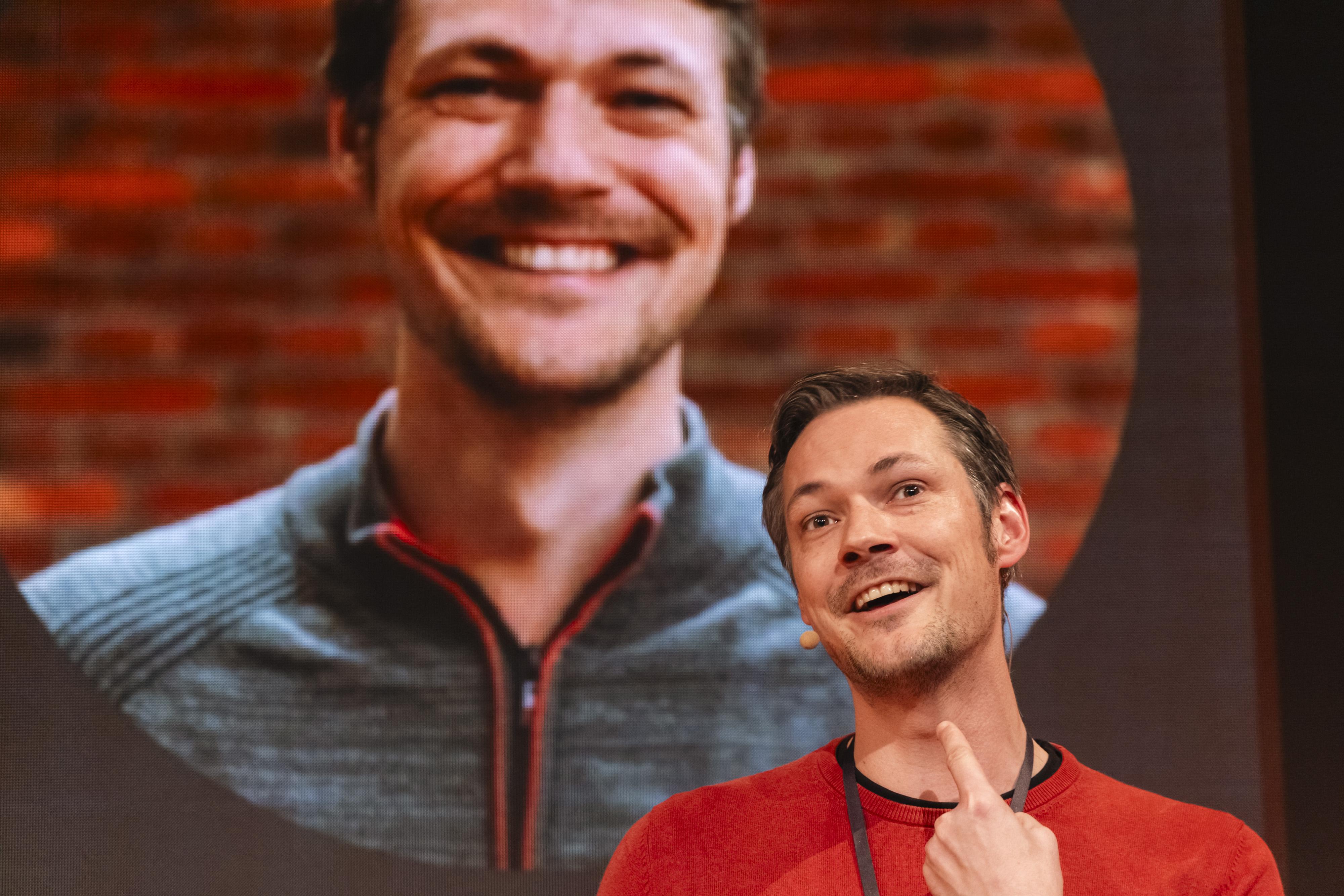
Ties offered a very practical way in: don’t treat a big conference stage as the only starting point. Internal team talks, local user groups, lightning talks, and meetup sessions all count. In fact, they are often the best places to build confidence because they let you practice the exact same fundamentals in a lower-pressure setting.
That matters because one of the biggest barriers to speaking is the false idea that your first talk has to be perfect or high-profile. It doesn’t, it just has to happen. In fact, small speaking opportunities teach you the same core habits you will need later:
They also help you figure out what kind of speaker you want to be. Some people thrive on technical depth. Others are better at storytelling, synthesis, or making difficult ideas easier to understand. You only find that out by doing it.

Ready to share your story at Heapcon 2026?
If Ties van de Ven’s talk proved anything, it is that great conference speakers are made, not born. Every strong talk starts with an idea, some courage, and the decision to hit submit. Heapcon 2026’s Call for Speakers is open now, with submissions accepted until June 1, 2026. If you have a story, lesson, experiment, or technical insight worth sharing, this is your sign to send it in.